WordPress powers more than 40% of all websites in the world. Much of its strength comes from plugins – packages of PHP code that add functionality without changing the WordPress core.
How a plugin works
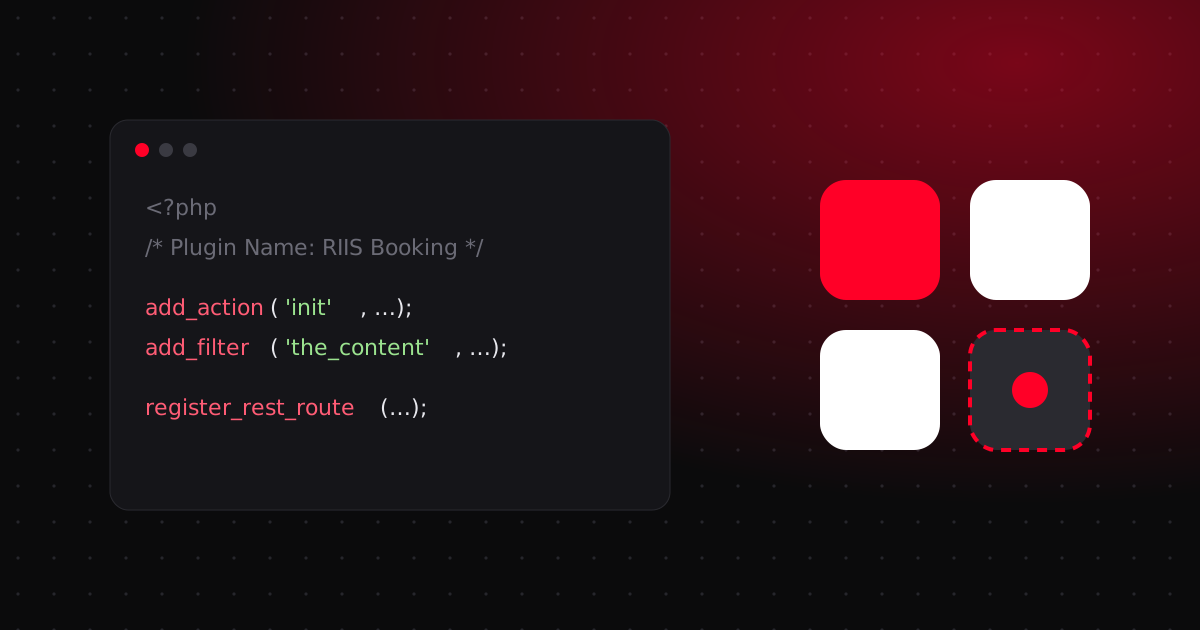
WordPress has a system of hooks: points in the code where a plugin can attach itself. Actions let you run your own code when something happens, for example when an order is saved. Filters let you modify data before it is displayed or stored.
add_action( 'woocommerce_order_status_completed', 'riis_send_to_fiken' );The line above passes a completed WooCommerce order on to the accounting system – without touching the theme or the core.
Off-the-shelf or custom?
- Off-the-shelf plugins are great for common needs such as SEO, forms and caching.
- Custom plugins pay off when your workflow is unique, when you need to integrate with systems such as Vipps, Fiken or Tripletex, or when a stack of generic plugins slows your site down.
What to demand from a plugin
- Follows the WordPress Coding Standards
- Security: nonces, capability checks, sanitising and escaping
- Loads only what is needed, only where it is needed
- Documentation and version control
Rule of thumb: if you use three plugins and a custom script to solve one task, a single custom plugin is often cheaper.
Wondering whether a custom plugin is right for you? Contact us for a free assessment.

Written by
Terje-Andre Riis
Founder & Lead Developer
Full-stack developer with 42 years of experience building web solutions for Norwegianand foreign businesses.